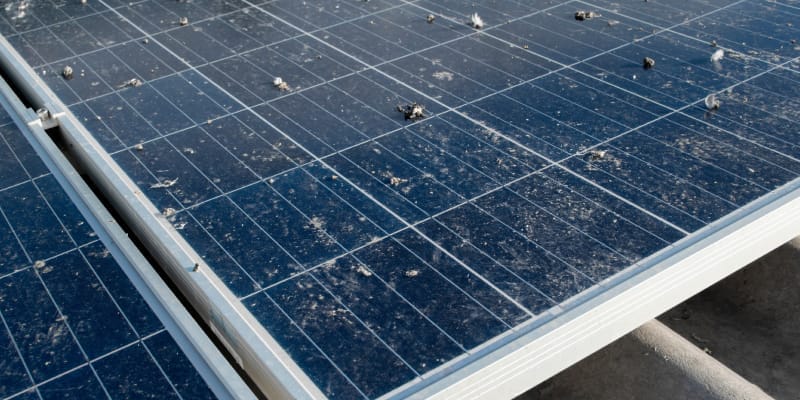
A solar panel’s lifespan is not defined by the moment it stops producing electricity but by its useful life, typically 25 to 30 years, during which it delivers most of its original output. This gradual reduction in efficiency is known as solar panel degradation, a predictable decline that shapes the overall solar panel lifespan based on environmental exposure. On average, degradation occurs at a rate of 0.5% to 1% per year.
A 2024 study by the U.S. National Renewable Energy Laboratory (NREL) identified a median annual performance loss of 0.75%. In practical terms, a panel operating at full capacity in its first year will still perform at 99.25% in year two and over 81% after 25 years. This predictable decline explains why manufacturers offer performance warranties, typically guaranteeing 80% efficiency at the end of the warranty period.
Rather than being a concern, this managed degradation reinforces solar panels as reliable, long-term assets. However, degradation rates vary based on material and manufacturing quality, which is why choosing a reputable solar panel dealer plays a critical role in ensuring long-term performance and value.
Key Quality Factors That Determine A Long Solar Durability
The foundation of a long solar power system lifespan rests on two key pillars - material quality and manufacturing quality. The type of panel you choose and how well it is built largely determine how long it will reliably produce power for your home.
For the longest-lasting investment, monocrystalline solar panels are the premier option. Made from pure silicon, they offer superior material quality and typically deliver a lifespan of 25 to 30 years. This high-quality construction results in a very slow performance decline - with degradation rates usually between 0.3% and 0.5% per year. Even after 25 years, monocrystalline panels can still operate at roughly 80% to 92% of their original efficiency.
Polycrystalline solar panels provide a dependable and more cost-effective alternative, though they generally have a slightly shorter lifespan of around 20 to 25 years. Thin-film panels, while affordable and flexible, have the shortest lifespan - typically lasting 10 to 20 years.
Beyond the solar cells themselves, overall construction quality is equally critical. Durable aluminium frames are widely preferred because they resist corrosion and handle temperature changes effectively - protecting both the panel edges and internal cells. High-quality sealing, soldering, and connectors further prevent moisture ingress and electrical failure. To identify panels built to these standards, look for third-party certifications from organisations such as the International Electrotechnical Commission (IEC) or Underwriters Laboratories (UL) - which confirm rigorous safety and performance testing.
Protecting Your Asset From External Stressors And Upkeep Needs
While a panel’s built-in quality is essential, the solar panel lifespan it achieves in your home is also strongly influenced by external factors after installation. Climate, weather conditions, and installation quality are the two most significant forces shaping long-term performance.
Persistent high heat and humidity place physical stress on panels - causing materials to expand and contract through repeated temperature cycles. Over time, this can gradually degrade internal connections and seals. Panels installed in moderate climates generally degrade more slowly than those exposed to consistently high temperatures. That said, most modern solar panels are rigorously engineered and tested to withstand extreme conditions - such as hail, heavy rain, and snow.
While the weather is beyond our control, installation quality is not. Poor installation can result in,
- Incorrect tilt angles
- weak mounting
- Inadequate sealing
- Leading to water ingress
- Structural stress
- Premature electrical failures
A professional, high-quality installation acts as the first and most critical line of defence - directly protecting the system’s long-term performance.
Ongoing care is straightforward. With no moving parts - solar panels are low-maintenance.
- A simple routine includes periodic cleaning to remove dust, leaves, and bird droppings that block sunlight, along with occasional visual inspections to check for damage to frames or seals.
- Performance monitoring via your system's app to track energy output.
- These simple actions deliver clear benefits - cleaning restores full sunlight exposure, inspections catch small cracks early, and monitoring helps detect performance drops before they become major issues.
The only significant and predictable maintenance cost over the system's life is the replacement of one component - the inverter.
It is a manageable, long-term cost you can anticipate, as an inverter typically needs to be replaced every 10 to 15 years.
Ultimately, while climate is an uncontrollable variable - ensuring excellent installation quality and performing straightforward maintenance are your most powerful tools for protecting your solar investment for the long haul.
Moreover, these hands-on measures protect your asset, but your investment is further secured by the powerful guarantees that manufacturers put in place to ensure performance for decades.
Also Read: Solar Panels: An Eco-Friendly Way To Power Your Home
How Warranties Guarantee Your Solar Panels As A Long-Term Asset
In addition to hands-on care - your investment is further protected by the strong legal guarantees manufacturers provide to support long-term performance. There are two primary warranties that safeguard your system - the Product Warranty and the Performance Warranty.
The product warranty covers defects in materials and workmanship and typically lasts between 10 and 25 years. What happens after 20 years of solar panels? The performance warranty directly addresses long-term effectiveness by guaranteeing energy output over time. Specifically, it ensures the panel’s performance will not decline below approximately 85% of its original capacity over a 20-year period.
This guarantee represents the manufacturer’s confidence in the product’s durability and secures the long-term value of your investment against degradation. To put this into perspective, few major home improvements - such as a roof or boiler - come with a comparable 25-year performance guarantee.
So, how often do solar panels need to be replaced? Many high-quality solar panels continue producing meaningful power well beyond their 25- or 30-year warranty period.
This long-lasting durability naturally leads to an important final consideration - what happens to solar panels at the very end of their extended lifecycle?
The Complete Lifecycle From Production To Responsible Recycling
When your solar panels complete their useful life of around 30 years, they are decommissioned and require careful end-of-life management. The good news is that solar panel recycling processes are becoming more robust and viable as technology advances. By recovering valuable materials, like
These specialised facilities capture crucial resources. This direct action reduces the overall waste stream and prevents useful materials from ending up in landfills.
This is why there has been notable progress in creating specialised recycling plants to manage the growing number of panels. Therefore, this complete lifecycle perspective - from responsible recycling to regulated disposal - is a crucial final chapter that solidifies the true long-term value and sustainability of your solar investment.
Securing Decades Of Clean Energy From Your Solar Investment
Decades of research and real-world data from various regions and climates consistently affirm the long-term reliability of solar panels - confirming their status as a secure investment built on durable, long-term value. This makes your solar panel a low-maintenance, cost-saving home asset, designed to deliver reliable power generation for the entirety of its 25 to 30-year solar panel lifespan and beyond.
When you consider its complete journey - from resilient manufacturing through to responsible end-of-life management - the true sustainability and enduring worth of this technology become clear. Therefore, for your home to achieve genuine, long-term power security, investing in a system with a proven - long-lasting solar longevity is a critical step.
For homeowners in Chennai ready to secure this lasting benefit, reach out to Nantech-expert UPS manufacturers who understand precisely what it takes to build a truly reliable and efficient home energy foundation.
Reach out to Nantech today for a consultation and secure your power supply.