

- Home
- About us
- Products
- Dealer Enquiry
- Blog
- Contact Us
- Home
- About us
- Products
- Dealer Enquiry
- Contact Us
- 044 -2486 1994
- +91 99623 98222
- sales@nantech.in
- REQUEST A QUOTE
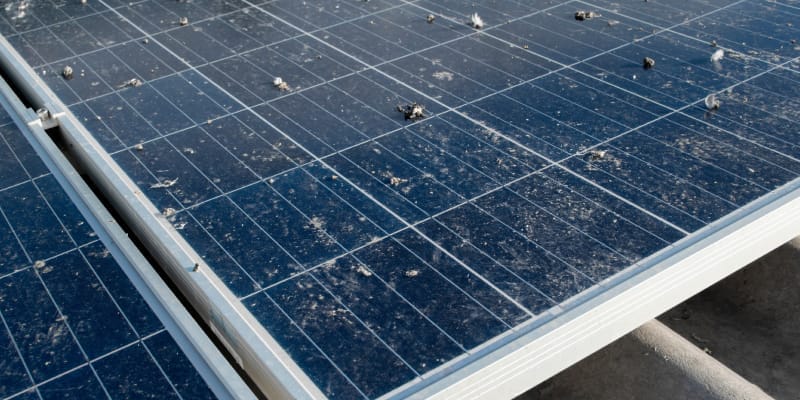
A solar panel’s lifespan is not defined by the moment it stops producing electricity but by its useful life, typically 25 to 30 years, during which it delivers most of its original output. This gradual reduction in efficiency is known as solar panel degradation, a predictable decline that shapes the overall solar panel lifespan based on environmental exposure. On average, degradation occurs at a rate of 0.5% to 1% per year.
A 2024 study by the U.S. National Renewable Energy Laboratory (NREL) identified a median annual performance loss of 0.75%. In practical terms, a panel operating at full capacity in its first year will still perform at 99.25% in year two and over 81% after 25 years. This predictable decline explains why manufacturers offer performance warranties, typically guaranteeing 80% efficiency at the end of the warranty period.
Rather than being a concern, this managed degradation reinforces solar panels as reliable, long-term assets. However, degradation rates vary based on material and manufacturing quality, which is why choosing a reputable solar panel dealer plays a critical role in ensuring long-term performance and value.
The foundation of a long solar power system lifespan rests on two key pillars — material quality and manufacturing quality. The type of panel you choose and how well it is built largely determine how long it will reliably produce power for your home.
For the longest-lasting investment, monocrystalline solar panels are the premier option. Made from pure silicon, they offer superior material quality and typically deliver a lifespan of 25 to 30 years. This high-quality construction results in a very slow performance decline — with degradation rates usually between 0.3% and 0.5% per year. Even after 25 years, monocrystalline panels can still operate at roughly 80% to 92% of their original efficiency.
Polycrystalline solar panels provide a dependable and more cost-effective alternative, though they generally have a slightly shorter lifespan of around 20 to 25 years. Thin-film panels, while affordable and flexible, have the shortest lifespan — typically lasting 10 to 20 years.
Beyond the solar cells themselves, overall construction quality is equally critical. Durable aluminium frames are widely preferred because they resist corrosion and handle temperature changes effectively — protecting both the panel edges and internal cells. High-quality sealing, soldering, and connectors further prevent moisture ingress and electrical failure. To identify panels built to these standards, look for third-party certifications from organisations such as the International Electrotechnical Commission (IEC) or Underwriters Laboratories (UL) — which confirm rigorous safety and performance testing.
While a panel’s built-in quality is essential, the solar panel lifespan it achieves in your home is also strongly influenced by external factors after installation. Climate, weather conditions, and installation quality are the two most significant forces shaping long-term performance.
Persistent high heat and humidity place physical stress on panels — causing materials to expand and contract through repeated temperature cycles. Over time, this can gradually degrade internal connections and seals. Panels installed in moderate climates generally degrade more slowly than those exposed to consistently high temperatures. That said, most modern solar panels are rigorously engineered and tested to withstand extreme conditions — such as hail, heavy rain, and snow.
While the weather is beyond our control, installation quality is not. Poor installation can result in,
A professional, high-quality installation acts as the first and most critical line of defence — directly protecting the system’s long-term performance.
Ongoing care is straightforward. With no moving parts — solar panels are low-maintenance.
The only significant and predictable maintenance cost over the system's life is the replacement of one component — the inverter.
It is a manageable, long-term cost you can anticipate, as an inverter typically needs to be replaced every 10 to 15 years.
Ultimately, while climate is an uncontrollable variable — ensuring excellent installation quality and performing straightforward maintenance are your most powerful tools for protecting your solar investment for the long haul.
Moreover, these hands-on measures protect your asset, but your investment is further secured by the powerful guarantees that manufacturers put in place to ensure performance for decades.
Also Read: Solar Panels: An Eco-Friendly Way To Power Your Home
In addition to hands-on care — your investment is further protected by the strong legal guarantees manufacturers provide to support long-term performance. There are two primary warranties that safeguard your system — the Product Warranty and the Performance Warranty.
The product warranty covers defects in materials and workmanship and typically lasts between 10 and 25 years. What happens after 20 years of solar panels? The performance warranty directly addresses long-term effectiveness by guaranteeing energy output over time. Specifically, it ensures the panel’s performance will not decline below approximately 85% of its original capacity over a 20-year period.
This guarantee represents the manufacturer’s confidence in the product’s durability and secures the long-term value of your investment against degradation. To put this into perspective, few major home improvements — such as a roof or boiler — come with a comparable 25-year performance guarantee.
So, how often do solar panels need to be replaced? Many high-quality solar panels continue producing meaningful power well beyond their 25- or 30-year warranty period.
This long-lasting durability naturally leads to an important final consideration — what happens to solar panels at the very end of their extended lifecycle?
When your solar panels complete their useful life of around 30 years, they are decommissioned and require careful end-of-life management. The good news is that solar panel recycling processes are becoming more robust and viable as technology advances. By recovering valuable materials, like
These specialised facilities capture crucial resources. This direct action reduces the overall waste stream and prevents useful materials from ending up in landfills.
This is why there has been notable progress in creating specialised recycling plants to manage the growing number of panels. Therefore, this complete lifecycle perspective — from responsible recycling to regulated disposal — is a crucial final chapter that solidifies the true long-term value and sustainability of your solar investment.
Decades of research and real-world data from various regions and climates consistently affirm the long-term reliability of solar panels — confirming their status as a secure investment built on durable, long-term value. This makes your solar panel a low-maintenance, cost-saving home asset, designed to deliver reliable power generation for the entirety of its 25 to 30-year solar panel lifespan and beyond.
When you consider its complete journey — from resilient manufacturing through to responsible end-of-life management — the true sustainability and enduring worth of this technology become clear. Therefore, for your home to achieve genuine, long-term power security, investing in a system with a proven — long-lasting solar longevity is a critical step.
For homeowners in Chennai ready to secure this lasting benefit, reach out to Nantech—expert UPS manufacturers who understand precisely what it takes to build a truly reliable and efficient home energy foundation.
Reach out to Nantech today for a consultation and secure your power supply.
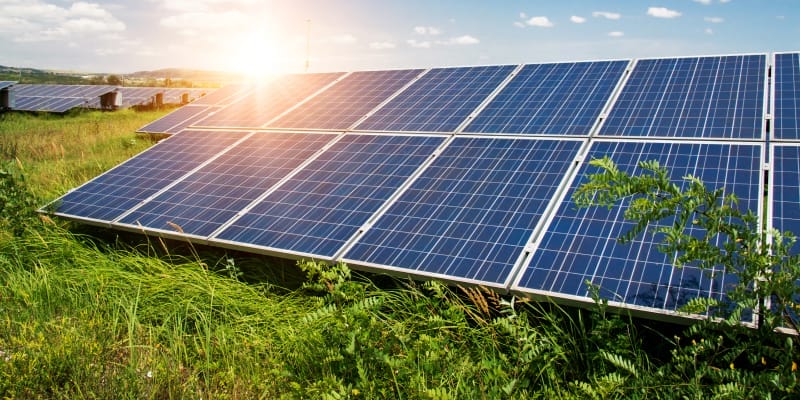
The shift towards sustainable energy has propelled India to be a global force in solar energy initiatives, offering exciting possibilities for homeowners in Tamil Nadu. With registered solar panel dealers across the state providing competitive prices in 2024, the reduced installation costs and government subsidies and support systems have made solar power a viable option. The state's increasing focus on clean energy alternatives with a lower carbon footprint has made solar energy a popular choice for many households.
This comprehensive guide covers everything you need to know about Tamil Nadu's solar power subsidies, helping you make an informed decision about your home's energy use.
The Tamil Nadu Government has inaugurated a Rooftop Solar Subsidy Scheme in partnership with the Government of India (Ministry of New and Renewable Energy—MNRE). This scheme has made solar power more accessible to Tamil Nadu consumers through the services of handpicked dealers. The solar power subsidy in Tamil Nadu is available for grid-connected systems. An on-grid solar system is more affordable since it does not require solar batteries. Consumers can also opt for a hybrid model system with solar batteries for on-site power reserves. However, this off-grid hybrid system is not eligible for subsidy.
Here's a detailed breakdown of solar power subsidy and system costs in Tamil Nadu:
| S. No. | Solar System Capacity in kilowatts (kW) | Tentative Price in Rs. (₹) | Subsidy in Rs. (₹) | Net Price Likely in Rs. (₹) |
|---|---|---|---|---|
| 1 | 1 | 75,000–85,000 | 30,000 | 45,000–55,000 |
| 2 | 1 | 1,50,000–1,70,000 | 60,000 | 90,000–1,10,000 |
| 3 | 1 | 1,90,000–2,16,000 | 78,000 | 1,10,000–1,37,000 |
Also Read: A Step-by-Step Guide to Solar Savings for Your Home
Note: The scheme does not cover commercial or industrial consumers.
Getting a solar panel subsidy in Tamil Nadu is simple through the MNRE’s portal, the Rooftop Solar National Portal. The portal offers a user-friendly interface with simplified pricing and subsidy calculations across different slabs, making the application process straightforward. Under the PM Surya Ghar Muft Bijli Yojana scheme, over one crore households in Tamil Nadu already get monthly free electricity.
Step-by-step process: The National Portal for Rooftop Solar has outlined the process on its website. Here's how to get your solar installation with a subsidy:
Installing solar panels with government subsidies offers multiple benefits, from environmental impact to financial savings. Here's what you can expect:
Though residential rooftop solar adoption has been slow, improved subsidy policies by the state government are set to accelerate home solar installations in the coming years.
Tamil Nadu's rooftop solar subsidy scheme, in partnership with the Indian government, presents an excellent opportunity for households to switch to solar energy. Nantech Power Systems Pvt. Ltd., one of the trusted inverter dealers in Chennai offering complete solar solutions, can help you design a solar energy system tailored to your needs. We are authorised to undertake government-subsidised installations and provide comprehensive services, from site inspection and customised system design to professional installation for residential, commercial, and industrial properties. Contact us today to begin your solar journey and benefit from government subsidies.
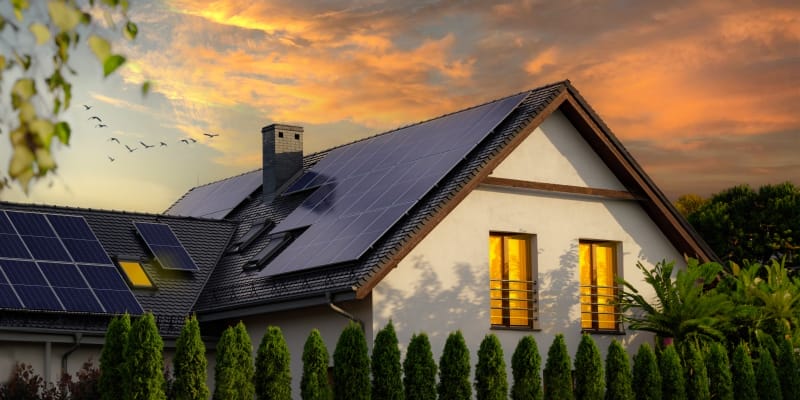
Switching to solar energy is a significant move for homeowners looking to cut down on their electricity costs while playing a part in protecting our environment. Figuring out the quantity of solar panels your house requires is not just an eco-conscious decision. It is a step towards financial liberation and self-sufficiency in energy.
This guide from Nantech, the leading solar panel supplier and dealer in Chennai, walks you through the essentials of calculating your energy consumption, realising potential savings on electricity expenses, and making informed choices regarding installing solar panels.
Let us delve into how the power of the sun can light up your way to a brighter, more sustainable future.
Understanding the electricity your house uses is the initial step in determining the required total sum of solar panels. This understanding assists you in deciding the size of the solar system that will best fulfil your energy demands.
Begin by examining your utility bills, which offer a wealth of data on your monthly electricity use. Analyse your consumption over the previous year to compute your daily and yearly average electricity usage, setting the stage for determining the required quantity of solar panels.
Note that electricity consumption varies widely among different homes. Key aspects influencing this include:
Taking these aspects into account aids in estimating your energy demands and the necessary solar system size more accurately.
Imagine your family uses around 900 kWh monthly. To find your day-to-day usage, divide this figure by the days in a month, resulting in an average daily consumption of about 30 kWh.
When picking solar panels for your residence, it is crucial to understand three aspects:
The wattage of a solar panel indicates the electricity it can generate under ideal conditions. Currently, residential solar panels on the market vary from 250 to 400 watts per piece. A 300-watt panel, for example, will produce more electricity than a 250-watt one under identical conditions. Hence, opting for higher-wattage panels might mean you will need fewer of them, especially if your roof space is limited.
Efficiency is another essential element, reflecting the percentage of sunlight a panel can convert into usable electricity. Recent advancements in solar technology have significantly boosted panel efficiency, making solar a more feasible option for homeowners. High-efficiency panels transform more sunlight into electricity, necessitating less space to meet your energy needs.
As solar technology progresses, the efficiency of solar panels continues to rise. This improvement is crucial for homeowners contemplating solar energy. With the latest advancements in photovoltaic (PV) technology, panels now capture and convert sunlight into electricity more efficiently, enhancing the effectiveness of solar systems even in less sunny locales.
The decision on the correct solar panel wattage hinges on various factors, including your home’s energy use and roof space availability.
To select the most fitting panel wattage:
To calculate the required solar panels for your residence, utilise this formula:
Wattage of solar panel wattage x maximum sunlight hours x total panel count = Daily power consumption
Assuming your house consumes 30 kWh daily, you are considering 300-watt panels, and your area gets an average of 5 maximum sunlight hours daily, you would need about 20 solar panels to meet your daily energy requirements.
While these estimates offer a general idea, several variables can impact the precise sum total of panels needed. These include your roof's orientation and slope, potential obstructions like trees or buildings, and the panels' efficiency over time.
Hence, seek guidance from solar experts who can conduct a thorough assessment to ensure your solar panel system is accurately sized.
With the correct quantity of solar panels, you can notably reduce your electricity expenses and contribute to a sustainable future. Remember, each home is unique, so a personalised assessment is essential to fully harness solar energy's benefits.
When contemplating solar panels for your residence, comprehend the initial outlay and the potential return on investment (ROI). The installation cost encompasses the following:
Government incentives and tax deductions significantly alleviate initial costs and enhance the financial feasibility of solar projects. These benefits can drastically reduce the upfront investment, rendering solar energy an even more appealing option. Investigating the incentives available in your locale is imperative to fully leverage these opportunities.
Regular maintenance is essential for maximising the lifespan of your solar panels and ensuring continued savings. By carefully weighing the initial expenses, potential savings, and available incentives, you can make a well-informed decision about solar energy and enjoy the financial and environmental benefits for years ahead.
To ensure your solar panels remain efficient and durable, several vital practices are essential:
Many options exist for those who prefer professional services to maintain their solar panel systems. Professional cleaning and maintenance services ensure your setup is inspected and cleaned by experts, which is especially advantageous for those unable to perform these tasks themselves or seeking to guarantee a thorough examination.
As our exploration of solar panels' potential to significantly trim down electricity costs and enhance energy self-sufficiency concludes, it is evident that the journey toward adopting solar energy is both fulfilling and essential.
With knowledge of calculating your house's solar needs and the impressive savings achievable, you are now ready to make a decisive move towards sustainability.
Should you seek expert guidance and customised power solutions to optimise your solar investment, Nantech is prepared to help. Secure your power supply with Nantech’s expertise, embarking on a path that not only lightens the load on your finances but also contributes to a cleaner, greener planet.
With the right solar configuration, your residence can become a model of efficiency and environmental responsibility, showcasing your vision and dedication to a sustainable future.
We had availed the services of “NANTECH POWER SYSTEMS PVT LTD” and their service was excellent. Their rates were competitive when compared to others. They have discharged their services in professional manner. We appreciate the timely delivery (at a time, convenient to us) of the battery for the UPS at a very competitive rate.

We purchased UPS from Nantech for most of our systems and they are all working as expected. Their after sales service is exceptional and was the primary reason why we did not have any inhibitions in taking an AMC with them. Keep up the good work!


Nantech Power Systems Pvt Ltd,
17a, 2nd Cross Street,
Sastha Nagar, Valasaravakkam,
Chennai ‑ 600087.
